
Tree Removal In Sioux Falls
Tree Removal Experts
Trusted Across the Sioux Empire
Sioux Falls Tree Service
Professional Tree Removal for Sioux Falls & Beyond
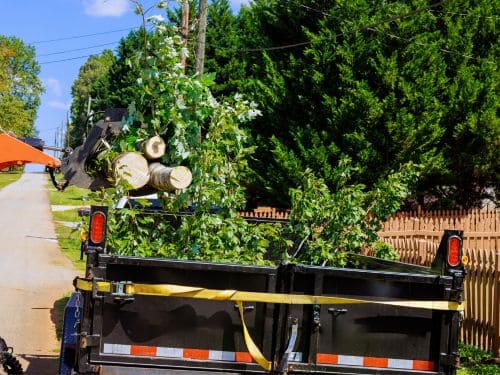
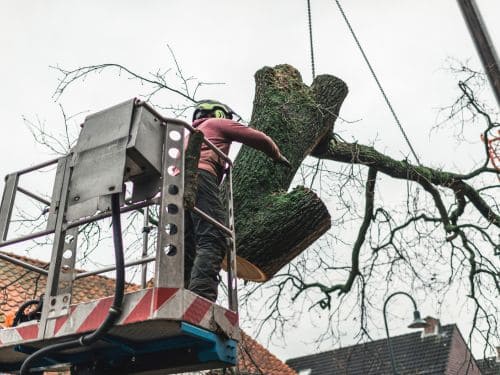
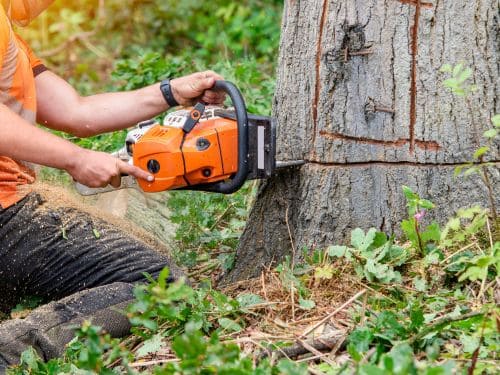
Sioux Falls Tree Service provides professional tree removal for residential and commercial properties throughout Sioux Falls and the surrounding region. We assess each tree before any work begins, considering size, condition, proximity to structures, and what the root system is likely doing underground.
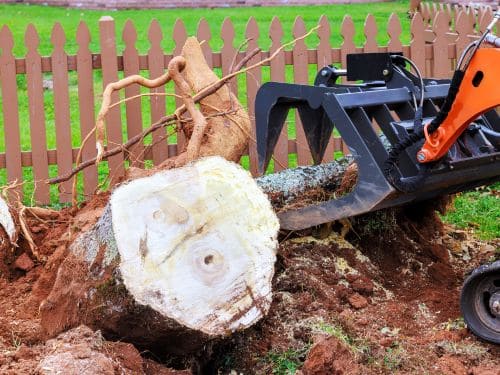
Tree removal service includes stump grinding, debris removal, wood chipping, and full site cleanup. For trees near homes, on tight lots, or partially damaged by storms, the upfront assessment matters more than most people realize.
Clay soil in Sioux Falls can push root systems wide and shallow rather than deep, which affects how a tree behaves when it comes down. That knowledge is part of what separates a professional tree removal from a risky one.
Sioux Falls Tree Service
What Makes Tree Removal in Sioux Falls Different?
1. Sioux Falls gets hit hard by wind. Straight-line storms, ice events, heavy wet snow before the leaves have dropped. One bad storm can leave dozens of trees either down or damaged enough that removal is the only safe option. That weather reality shapes nearly every removal call we get here.
2. The soil adds another layer. Heavy clay pushes root systems wide and shallow instead of deep, making trees more wind-vulnerable than they look. A tree that appears firmly rooted often isn't. That matters both for how trees fail and how they come down safely.
3. Then there's the emerald ash borer situation. Ash trees were one of the most common species planted across Sioux Falls, and EAB has worked through a significant number of them. Dead ash trees can stand for years and still fail without warning. Removing a compromised ash tree isn't the same job as removing a healthy one.
Professional tree removal in Sioux Falls means accounting for all of this.
Sioux Falls Tree Service
Common Reasons For Tree Removal in Sioux Falls, SD
1. Emerald Ash Borer Damage. EAB has worked through a significant portion of Sioux Falls ash trees. Dead and dying ash trees are structurally unpredictable and often need to come down before they become a hazard.
2. Storm and Wind Damage. Sioux Falls wind events split trunks, uproot shallow-rooted trees, and leave behind damage that isn't always obvious.
3. Dutch Elm Disease. American elms are common in the region. Dutch elm disease moves fast and shuts down a tree's vascular system. Early removal can help protect nearby trees.
4. Silver Maple Decline. Silver maples grow fast but have brittle wood that fails in ice storms and high winds. Weak branches make them more likely to be removed than most homeowners expect.
5. Root Damage Near Structures. Clay soil pushes roots laterally toward driveways, foundations, and sewer lines. When root intrusion becomes a structural concern, removal can be a solution.
FAQs About Tree Removal Services
How much does tree removal cost in Sioux Falls?
Size, location, and condition all affect the price. A dead or storm-damaged tree typically costs more to remove than a healthy one because of the added complexity. We offer free estimates so you can have transparent pricing before making a decision.
Do I need a permit to remove a tree in Sioux Falls?
It depends on the location. Removing a tree from your boulevard or next to the street requires a free city permit. Trees on your private property generally don't. Ash trees within the quarantine zone also have seasonal restrictions on when removal work can be done.
How do I know if my tree needs removal or treatment?
Signs that point toward removal include significant canopy loss, large sections of deadwood, visible root heaving, storm damage that has compromised the trunk, or a confirmed EAB infestation with more than half the canopy already gone. An arborist assessment will give you a clearer answer.
The Process
3 Step Process For Your Tree Removal Needs

Contact Us
Start by completing the 'Get a Free Quote' form on our website to share your Tree Removal needs with us. Or give us a call!

Schedule Your Estimate
Next, we'll arrange a property visit at a time that works for you to provide an in-person estimate for your Tree Removal needs.

Get The Job Done
After you approve our estimate, we'll schedule a date to complete the job. Our team will work hard to exceed your expectations!
Request A Free Tree Removal Quote
GET A FREE QUOTE