
Arbor Care In Sioux Falls
Arbor Care Experts
Trusted Across the Sioux Empire
Sioux Falls Tree Service
Signs Your Trees Need Professional Arbor Care
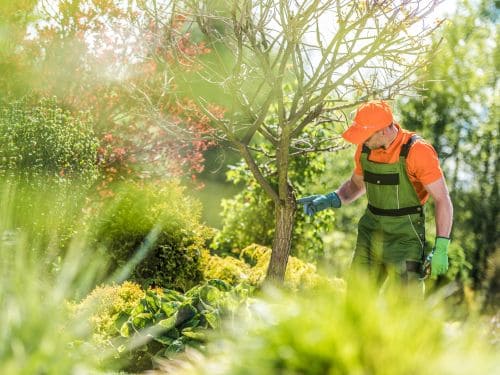
Yellowing leaves, sparse canopy, more deadwood than expected for the time of year. Bark that looks cracked or sunken.
Mushroom growth at the base, which often signals internal decay. Gradual leaning that developed over time rather than from a storm.
Any of these are worth a professional assessment. Trees don't show obvious distress until a problem has been developing for a while.
Sioux Falls Tree Service
How Sioux Falls Conditions Affect Tree Health
Most of Sioux Falls sits on heavy clay soil that drains slowly and compacts easily. Roots spread wide and shallow rather than deep, which limits stability and makes trees more wind-vulnerable.
Compacted clay also restricts the oxygen exchange root systems need to function well. Alkaline soil pH affects nutrient uptake in certain species, and silver maples are particularly susceptible, showing yellowing leaves from iron deficiency rather than disease.
Freeze-thaw cycles add stress to bark and root systems that builds up through the winter. A tree coming out of a South Dakota winter has been through more than it looks.
Sioux Falls Tree Service
5 Common Tree Health Issues in Sioux Falls, SD
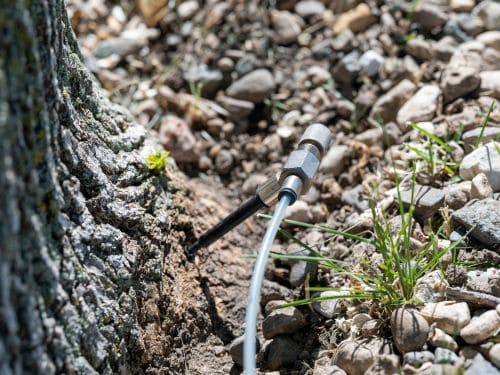
1. Iron Chlorosis: Common in Sioux Falls silver maples, where alkaline soil limits iron uptake and causes yellowing leaves. It's a treatable condition but needs correct diagnosis before any treatment is applied.
2. Root Compaction: Heavy clay soil compacts around root systems, restricting growth and oxygen availability. Aeration and soil management can improve conditions for established trees.
3. Emerald Ash Borer: Ash trees with less than 50% canopy dieback may still be candidates for treatment. An arborist assessment determines where a tree stands and what options remain.
4. Dutch Elm Disease: American elms are common in older Sioux Falls neighborhoods and Dutch elm disease moves fast. Early diagnosis gives the most options for protecting nearby trees.
5. Winter Bark Damage: Freeze-thaw cycles cause frost cracking and bark splitting, particularly in younger trees. Catching it early keeps it from becoming an entry point for disease.
FAQ About Arbor Care
How do I know if my tree needs arbor care or removal?
Signs like yellowing leaves, sparse canopy, or bark damage don't always mean a tree is past saving. An arborist assessment gives you a clear picture of what's going on and what options are available.
What does professional arbor care include?
It depends on the tree and situation, but typically covers health assessment, soil evaluation, fertilization, and pest and disease monitoring. A certified arborist will outline what's appropriate for your specific trees.
Does Sioux Falls clay soil require special tree care?
It does. Heavy clay restricts root growth, drains poorly, and creates alkaline conditions that affect how certain species take up nutrients. Trees in Sioux Falls often benefit from soil management that wouldn't be necessary in better-draining ground.
The Process
3 Step Process For Your Arbor Care Needs

Contact Us
Start by completing the 'Get a Free Quote' form on our website to share your Arbor Care needs with us. Or give us a call!

Schedule Your Estimate
Next, we'll arrange a property visit at a time that works for you to provide an in-person estimate for your Arbor Care needs.

Get The Job Done
After you approve our estimate, we'll schedule a date to complete the job. Our team will work hard to exceed your expectations!
Request A Free Arbor Care Quote
GET A FREE QUOTE